Finland's Solar Boom: Balancing Energy and Food Production
Finland is currently seeing strong growth in solar and wind power, with more than a hundred industrial solar parks either planned or already built. These…
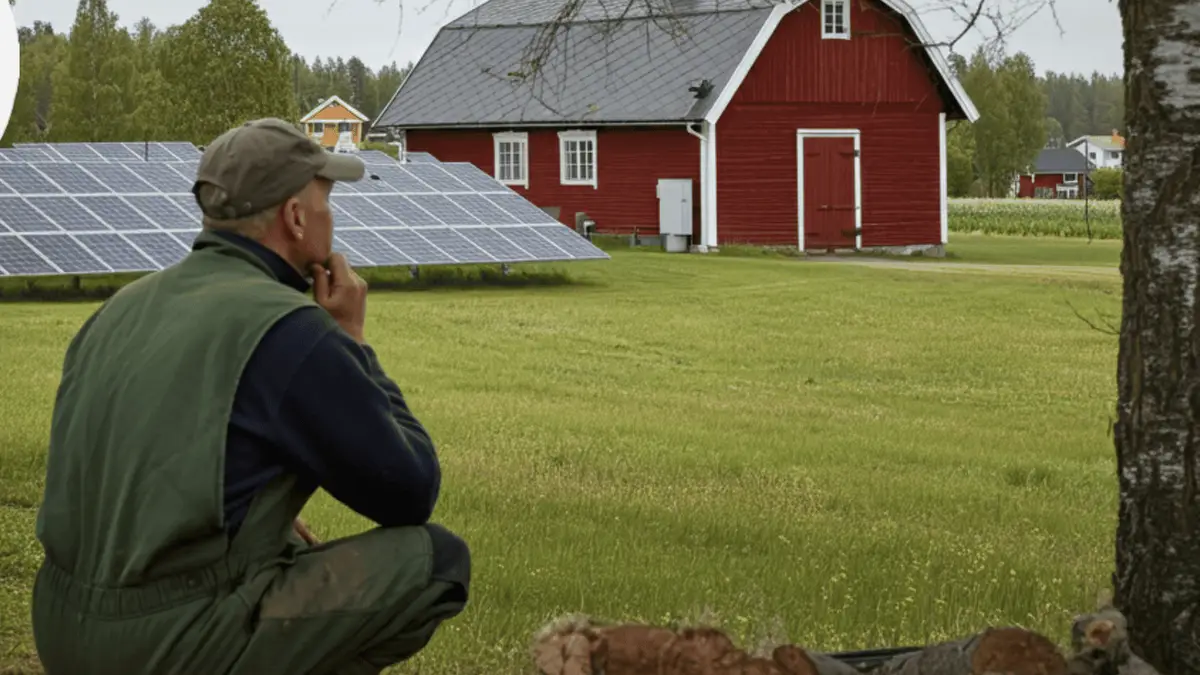
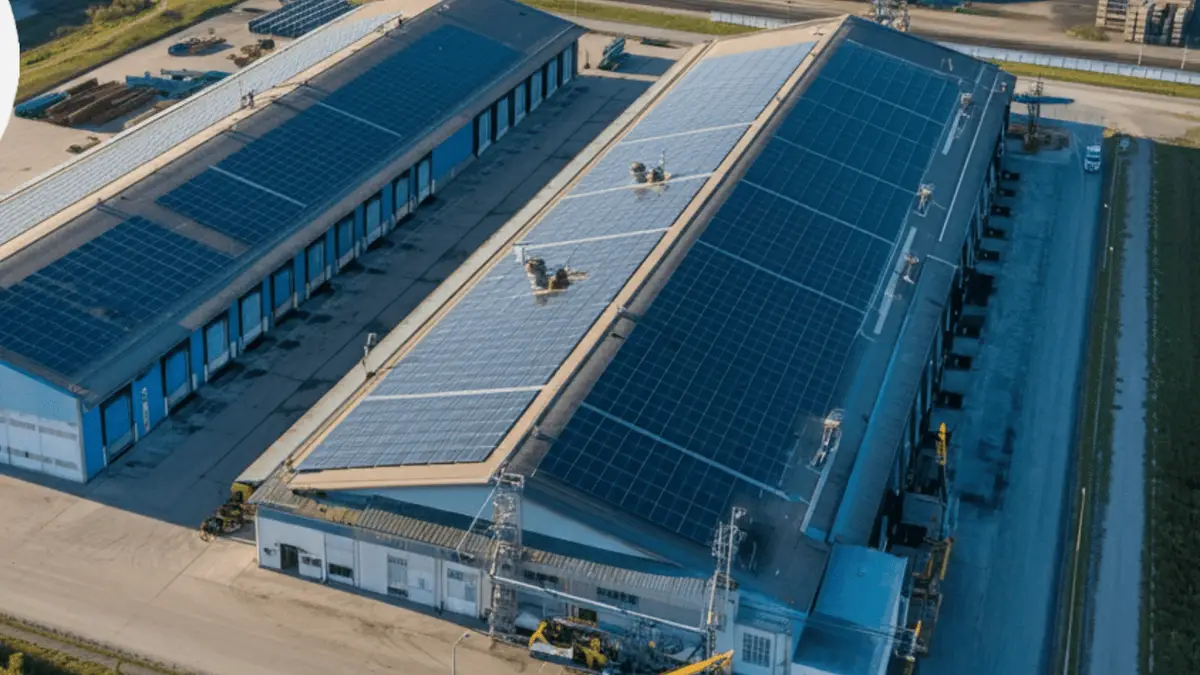
Finland is currently seeing strong growth in solar and wind power, with more than a hundred industrial solar parks either planned or already built. These billion-euro investments provide a welcome economic stimulus during a recession, while reducing the country's dependence on fossil fuels and contributing to global sustainability. The solar projects, located mainly in rural areas, have also created new sources of income for regions previously hit by depopulation and economic stagnation.
Land Use and the Impact of Solar Energy on Agriculture
The rapid growth of solar power has sparked a debate about land use, particularly in relation to agricultural land. Unlike wind turbines, which require large forested areas, solar panels are often placed on farmland, meaning the land can no longer be used for crops or forestry for several decades. This raises the question of how to balance energy and food production.
Economic Benefits and Risks to Food Production
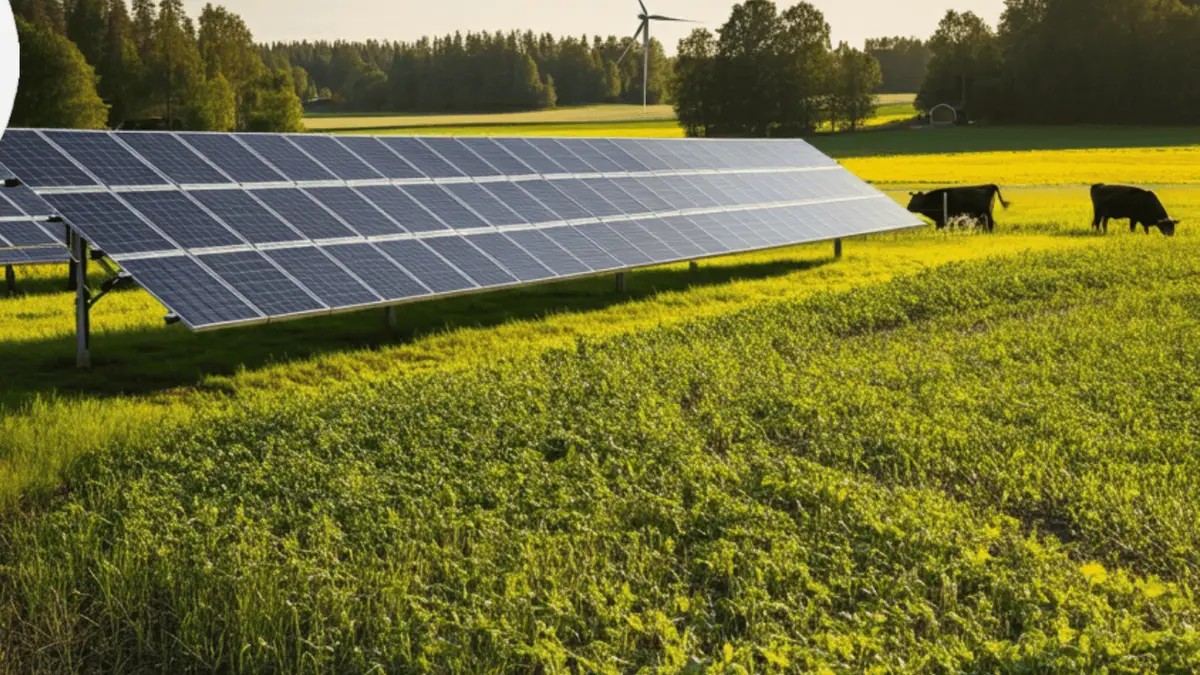
In southern and western Finland, where the sun shines most, land lease prices are higher, and it is also more profitable to install solar panels more densely. This increases total energy production per square metre. Even so, solar power currently poses no direct threat to food production, as there is still plenty of low-yield arable land available. But if demand for solar energy continues to grow, even the most fertile fields could soon be covered with solar panels, which could affect food production in the longer term.
Long-Term Consequences for Land Use
Lease agreements for land used for solar power often run for at least 20 years, meaning the land cannot be used for food production during that period. There are also concerns about how the land can be reused once the solar panels have been dismantled, as some installations may leave lasting traces, such as gravelled surfaces, which can affect whether the land can be reused and whether it qualifies for agricultural subsidies.
The Future of Solar Power in Finland
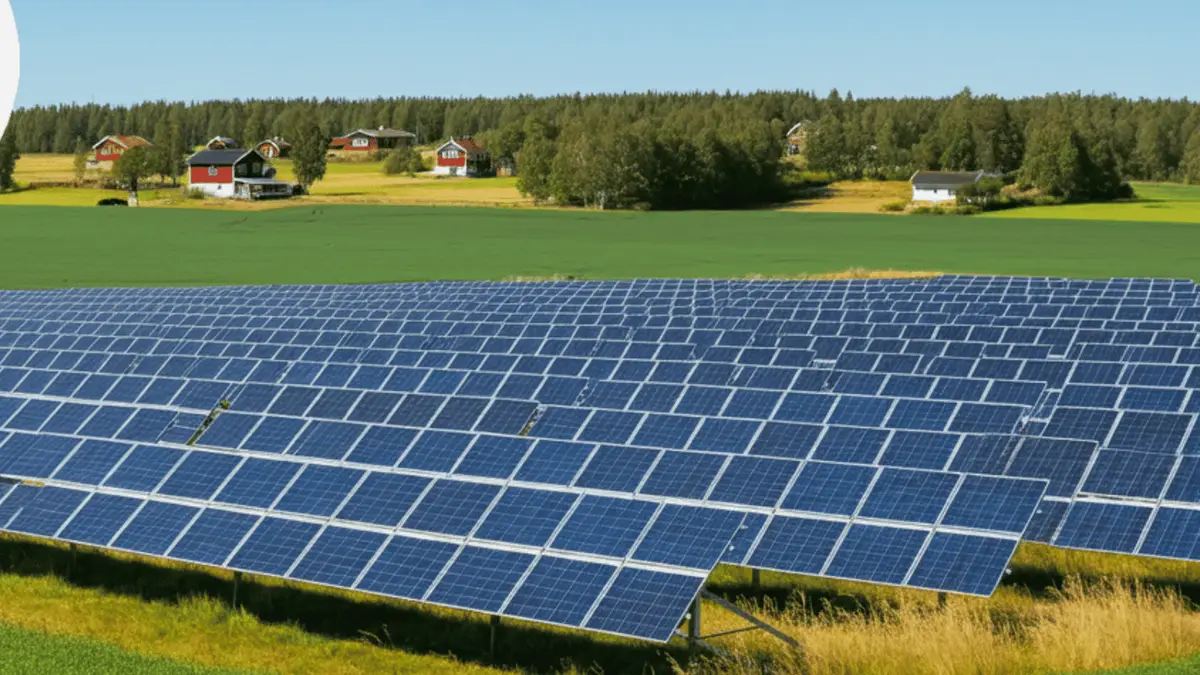
Another obstacle to the growth of solar power is the grid's capacity to handle the rapidly growing volume of renewable energy. Legislation promoting small-scale electricity generation risks raising grid transmission fees, affecting both households and industry.
Contact us today to get started.